Bergbaustadt Bergkamen
Grimberg 3/4
Ein Grubenunglück erschütterte Bergkamen: 405 Tote mahnen bis heute – das Denkmal erinnert an das schwerste Bergwerksunglück der Nachkriegszeit und seinen Wendepunkt für die Sicherheit im Bergbau.
.jpg&w=3840&q=75)
Ein Grubenunglück erschütterte Bergkamen: 405 Tote mahnen bis heute – das Denkmal erinnert an das schwerste Bergwerksunglück der Nachkriegszeit und seinen Wendepunkt für die Sicherheit im Bergbau.
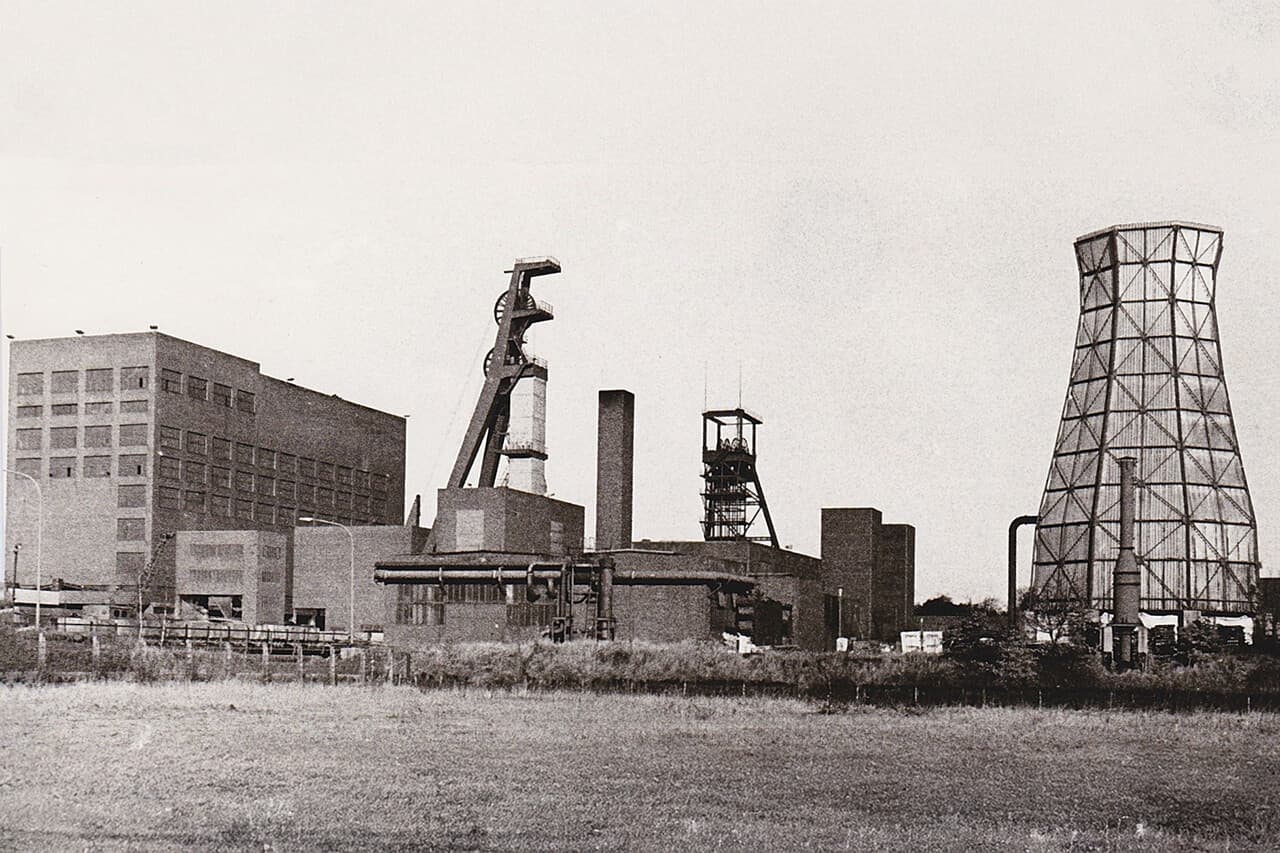
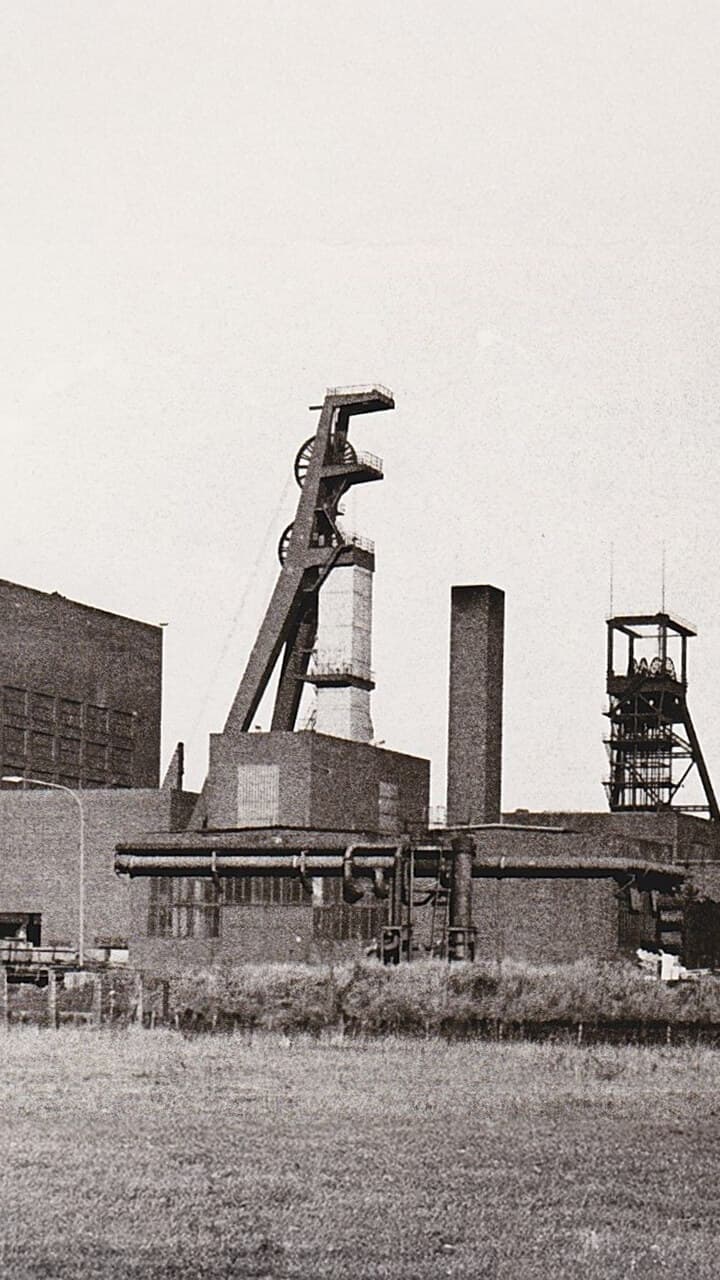
Die Schachtanlage Grimberg 3/4 im Bergkamener Stadtteil Weddinghofen (an der Schulstraße gelegen) war über Jahrzehnte ein zentraler Pfeiler der Zeche Monopol. Im Volksmund schlicht „Kuckuck“ genannt, steht dieser Standort wie kaum ein anderer im Ruhrrevier für technologische Höchstleistungen, tiefgreifenden Strukturwandel und die größte Tragödie des deutschen Steinkohlenbergbaus.
Die Geschichte des Standorts begann im Juli 1923 mit dem Abteufen von Schacht 3. Nach wirtschaftlich bedingten Verzögerungen und einem Wassereinbruch wurde die Anlage ab 1934 unter den Essener Steinkohlenbergwerken AG umfassend ausgebaut und um den Wetterschacht Grimberg 4 ergänzt. 1936 lief die regelmäßige Kohleförderung an. Unter Tage galt die Anlage als hochmodern; hier wurden frühzeitig innovative Großgeräte wie der Kohlehobel erprobt, was auch internationales Fachinteresse auf den Standort zog.
Historische Bekanntheit erlangte die Schachtanlage durch das schwerste Grubenunglück in der Geschichte des deutschen Bergbaus. Am 20. Februar 1946 ereignete sich in fast 1.000 Metern Tiefe eine verheerende Schlagwetter- und Kohlenstaubexplosion. Die Wucht der Detonation war so gewaltig, dass über Tage die Schachthalle einstürzte und eine 300 Meter hohe Stichflamme aus dem Schacht schoss. Von den 466 Bergleuten der Frühschicht kamen 405 ums Leben – darunter auch der Bergwerksdirektor und drei britische Offiziere der Kontrollkommission. Nachfolgende Generationen hielten die Erinnerung durch Mahnmale wie auf dem Waldfriedhof in Weddinghofen wach.
Trotz der Zerstörung wurde der Standort wiederaufgebaut. Schacht 3 wurde nach vorübergehender Verwahrung 1952 neu abgeteuft. Im Jahr 1972 ging die Anlage im Zuge von Umstrukturierungen in den Besitz der Ruhrkohle AG (RAG) über und wurde in Haus Aden 3/4 umbenannt. Die Förderung auf Grimberg 3/4 endete im Jahr 1973; fortan diente der Standort noch als Seilfahrt-, Material- und Wetterschacht für die Großzeche Haus Aden. Schacht 3 erreichte 1989 eine Endteufe von 1.638 Metern und galt damit zeitweise als der tiefste Schacht Europas.
In den Jahren 1994 und 1995 wurden die Schächte endgültig stillgelegt und abschnittsweise verfüllt. Der oberirdische Abbruch der markanten Tagesanlagen und Fördertürme erfolgte bis zum Jahr 2003, sodass heute lediglich Protegohauben zur Grubengasableitung und ein Gedenkstein des lokalen Knappenvereins an die ehemalige Großschachtanlage erinnern.
Die Gewinnung von Steinkohle unter Tage war historisch mit extremen Risiken für Leib und Leben verbunden. Der Weg zum modernen Arbeitsschutz im Bergkamener Revier war ein jahrzehntelanger Prozess, getrieben von technologischem Fortschritt, staatlichen Auflagen und den Lehren aus schweren Katastrophen.
Im späten 19. und frühen 20. Jahrhundert war die Arbeit unter Tage primär durch körperliche Schwerstarbeit geprägt. Technische Hilfsmittel fehlten weitgehend. Die Bergleute waren akuten Gefahren wie Einstürzen (Sargdeckel), Wassereinbrüchen und unsicheren Seilfahrten ausgesetzt. Ein unsichtbares Risiko stellten giftige oder explosive Gase dar. Um sich vor Kohlenmonoxid und Grubengas zu schützen, nutzten die Bergleute anfangs die sensiblere Reaktion von Kanarienvögeln als biologisches Frühwarnsystem, bevor Benzinsicherheitslampen und spätere Wetterführungen (Belüftungssysteme) Standard wurden.
Mit der zunehmenden Mechanisierung ab den 1920er Jahren veränderten sich die Risiken. Die Einführung von Abbauhämmern und Bohrmaschinen steigerte zwar die Effizienz, führte aber zu einer massiven Staubentwicklung. Die „Staublunge“ (Silikose) entwickelte sich zur chronischen Berufskrankheit für Generationen von Hauern.
Gleichzeitig führten verheerende Massenunglücke im Revier zu einem drastischen Umdenken in der Sicherheitspolitik. Das schwerste Grubenunglück in der Geschichte des deutschen Steinkohlenbergbaus ereignete sich am 20. Februar 1946 auf der Bergkamener Zeche Grimberg 3/4 (Teil der Zeche Monopol). Eine Schlagwetter- und Kohlenstaubexplosion kostete 405 Bergleute das Leben. Diese Katastrophe erzwang die Einführung strengerer Sicherheitsvorschriften, verbesserter Staubbindungsverfahren und die verpflichtende Bereitstellung von modernen Atemschutz- und Rettungsgeräten.
In den letzten Jahrzehnten des aktiven Bergbaus bis zur Schließung der Zeche Haus Aden im Jahr 2001 wandelte sich der Arbeitsschutz von der nachträglichen Gefahrenabwehr zur systematischen Prävention. Automatisierte Gas-Überwachungssysteme, verbesserter hydraulischer Ausbau der Strecken und die lückenlose arbeitsmedizinische Vorsorge senkten die Unfallzahlen auf ein historisches Minimum.
Mit dem Einzug des Steinkohlenbergbaus ab 1890 wandelten sich die ländlichen Gemeinden im Raum Bergkamen rasant. Durch den Zusammenschluss der Schachtanlagen zur Großzeche Haus Aden entwickelte sich der Standort im späten 20. Jahrhundert zu einer der größten Bergbaustädte Europas. Dieser massive Aufschwung war untrennbar mit einer hochspezialisierten, lokalen Ausbildungsinfrastruktur verbunden.
Die systematische Ausbildung war direkt an die großen Zechenstandorte gekoppelt. Sowohl die Schachtanlagen der Zeche Monopol (Grillo/Grimberg) als auch die ab 1938 errichtete Zeche Haus Aden unterhielten eigene Lehrwerkstätten. Hier erlernten die Auszubildenden die handwerklichen Grundlagen in der Holz- und Metallverarbeitung. Diese Ausbildung sicherte den enormen Bedarf an Fachkräften für den Untertagebetrieb und garantierte die Einhaltung strenger Sicherheitsstandards in einer hochgefährlichen Arbeitsumgebung.
Flankiert wurde die praktische Arbeit durch den theoretischen Unterricht. Bergkamen war Standort einer eigenen Bergberufsschule. Diese Institutionen vermittelten spezifisches Fachwissen in der Grubensicherheit, Wetterführung (Belüftung) und Maschinenkunde. Im Zuge des späteren Strukturwandels wurden diese Bildungsstätten zentralisiert und in gemeinschaftliche Träger wie die RAG-Bildung überführt, die auch Qualifizierungen außerhalb des Bergbaus anboten.
Mit der Stilllegung von Haus Aden im Jahr 2001 endete die Ära der aktiven Kohleförderung und damit auch die klassische Bergbauausbildung vor Ort. Heute dokumentieren historische Sammlungen und museale Rekonstruktionen wie der Lehrstollen („Barbara-Stollen“) in Bergkamen das handwerkliche Wissen und die Ausbildungstradition des Reviers für nachfolgende Generationen.
Am 20. Februar 1946 ereignete sich auf der Schachtanlage Grimberg 3/4 in Bergkamen eines der schwersten Unglücke im deutschen Steinkohlenbergbau. Ein Methan-Luft-Gemisch hatte eine Schlagwetterexplosion ausgelöst. Diese setzte eine Kohlenstaubexplosion in Gang. Die Druckwelle raste durch die Grube, schoss den Schacht hinauf und zerstörte Teile der Tagesanlagen. Eine meterhohe Flamme war über dem Gelände sichtbar.
Zur Zeit des Unglücks befanden sich 466 Bergleute unter Tage. 405 von ihnen kamen ums Leben. Nur 64 konnten gerettet werden. Das Unglück machte deutlich, wie schlecht es um die Sicherheit im Bergbau der Nachkriegszeit stand. Viele Anlagen waren in technisch schlechtem Zustand. Vorrang hatte zunächst die Kohleförderung, nicht die Arbeitssicherheit. Auf Grimberg fehlte eine ausreichende Frischluftversorgung. Gase und Staub hatten sich unkontrolliert angesammelt. Atemschutzgeräte waren kaum vorhanden. Die Grubenwehren hatten nur Ausrüstung für wenige Stunden.
Erst nach dem Unglück wurden Vorschriften überarbeitet. Neue Regeln zur Staubbindung, Belüftung und Notfallausrüstung wurden eingeführt.
Auch die Ausbildung der Bergleute entsprach nicht den Anforderungen. Zwar wurden Grundkenntnisse vermittelt, doch es fehlten technische Hilfsmittel und verbindliche Standards. Viele heute selbstverständliche Sicherheitsmaßnahmen wurden erst durch Katastrophen wie diese durchgesetzt.
Die Arbeit unter Tage war auch gesundheitlich stark belastend. Viele Bergleute litten an Staublunge, Hörschäden und Vergiftungen durch Grubengase. Die Lebenserwartung lag deutlich unter dem Durchschnitt. Viele starben in ihren Fünfzigern oder Sechzigern an den Folgen ihrer Arbeit.
Das Unglück von Grimberg 3/4 wurde ein Wendepunkt im Umgang mit Sicherheit und Gesundheit im Bergbau. Es führte vor Augen, welche Risiken der Beruf mit sich brachte und wie groß die Verantwortung war, sie zu verringern.
Heute erinnert ein Denkmal auf dem Waldfriedhof in Bergkamen an die Toten der Katastrophe.
Während des Zweiten Weltkriegs wurden auf dem Gelände Zwangsarbeiter, vor allem aus der Sowjetunion, eingesetzt. Die Männer arbeiteten unter Tage und auf dem Fördergelände – erschöpft, unterernährt und streng bewacht. Ihre Lebensbedingungen waren extrem hart, medizinische Versorgung gab es kaum. Viele erlagen den Folgen von Krankheit, Unterernährung und Erschöpfung. Ihre Sterbestätten wurden an einem Ort außerhalb der Zeche zusammengeführt: der heute so genannte Russenfriedhof. Er liegt abseits, schlicht und ohne großen Schmuck, doch jeder Grabstein erzählt von einem verlorenen Leben. Der Friedhof steht für eine vergessene Leidensgeschichte und wird gepflegt, damit die Erinnerungen nicht verblassen. Hier erinnert man sich an die Menschen, die Zwangsarbeit leisten mussten und deren Schicksal längst nicht aufgearbeitet ist.
Ein Film für Heimatflimmern von Wilm Huygen. Produktionsfirma: 2pilots Filmproduction GmbH. Dieser Film wurde im Jahr 2021 produziert, alle Aussagen und Fakten entsprechen dem damaligen Stand und wurden seit dem nicht aktualisiert. Heimatflimmern ist ein Doku-Format, das spannende Geschichten aus dem Bundesland NRW erzählt.
Leib und Leben - Schlagwetterexplosionen 1970er bis 1990er Jahre. Bei den in Filmsequenzen gezeigten Schlagwetterexplosionen handelt es sich um Testsprengungen, die zur genaueren Untersuchung dieser Gefahr ausgeführt wurden. Es handelt sich um Gas- und Kohlenstaubexplosionen, Wassertrogsprengungen, sowie die Sprengung eines Wetterbauwerks. Auch mithilfe solcher Tests konnten die Sicherheitsbestimmungen und -vorrichtungen unter Tage in den letzten Jahrzehnten deutlich verbessert werden.