Bergbaustadt Bergkamen
Schönhausen
Zwischen Gemeinschaft und Geschichte: Die Siedlung Schönhausen erzählt vom Alltag der Bergarbeiterfamilien – und vom frühen Terror des Nationalsozialismus im örtlichen Konzentrationslager.
.jpg&w=3840&q=75)
Zwischen Gemeinschaft und Geschichte: Die Siedlung Schönhausen erzählt vom Alltag der Bergarbeiterfamilien – und vom frühen Terror des Nationalsozialismus im örtlichen Konzentrationslager.
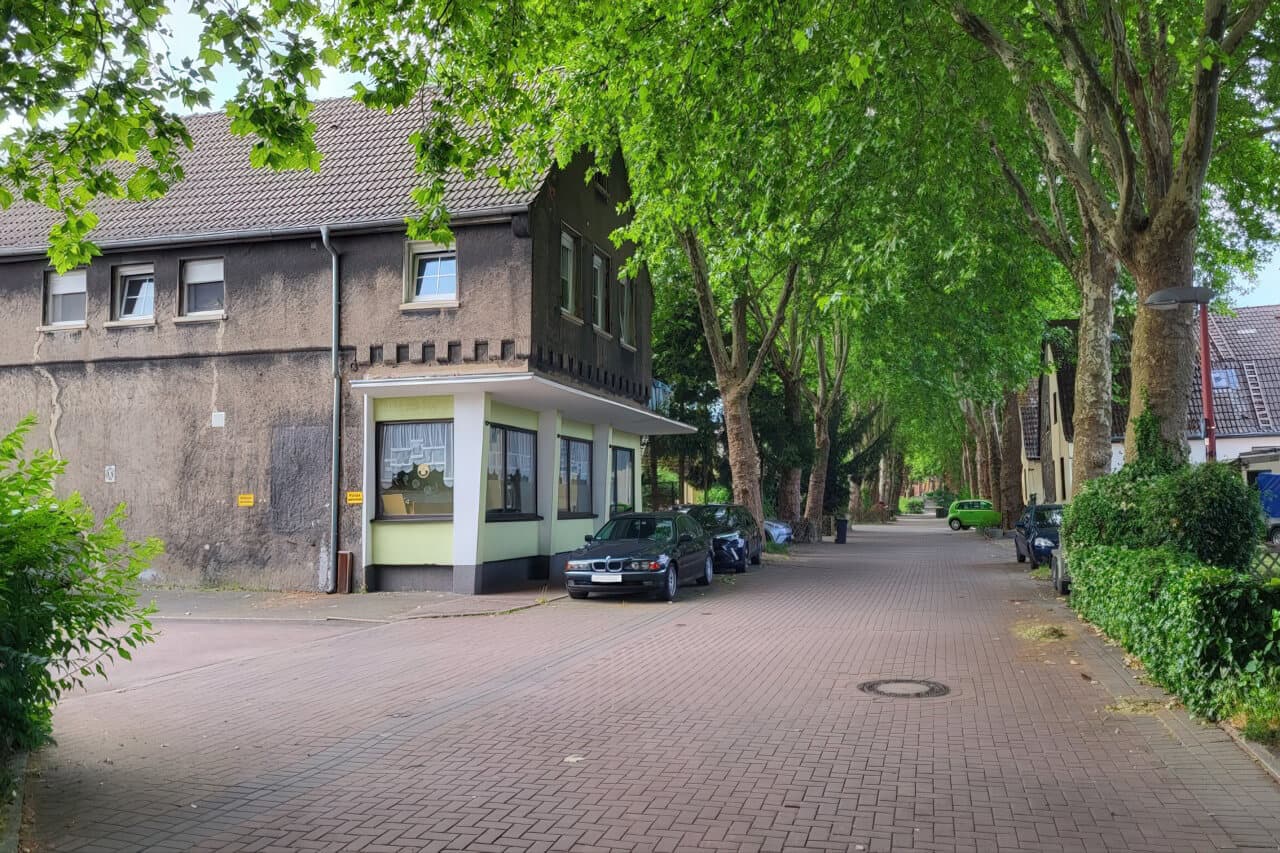
Das Leben in einer Bergarbeiterkolonie war eng mit der Zeche verbunden. Die kleinen Häuser lagen dicht beieinander, oft mit Gemüsegarten, Stall und Waschküche. Viele Familien kannten sich über Generationen, man half sich im Alltag und feierte gemeinsam. Traditionen spielten eine wichtige Rolle – von der Sonntagsmesse bis zum Gartenfest. Auch das Halten von Tauben war weit verbreitet. Die Taubenschläge standen in den Gärten, das Züchten und Trainieren galt als stolzes Hobby. Kinder spielten auf der Straße, während die Erwachsenen in Vereinen organisiert waren. Die Kolonie war mehr als ein Wohnort – sie war ein sozialer Raum mit starkem Gemeinschaftsgefühl.
Die Siedlung Schönhausen entstand Anfang des 20. Jahrhunderts. Sie diente als Wohnraum für die Beschäftigten der nahegelegenen Zeche Grimberg, später Haus Aden. Die gleichförmig gebauten Reihenhäuser mit kleinen Gärten prägten das Erscheinungsbild der Kolonie.
Schönhausen war nicht nur Wohnort, sondern auch ein sozialer Raum. Viele Familien lebten über mehrere Generationen hinweg in der Siedlung. Die enge Verbindung entstand durch die gemeinsame Arbeit im Bergbau und das Leben im direkten Umfeld.
Der Alltag war streng gegliedert. Die Männer arbeiteten in Früh-, Spät- oder Nachtschichten unter Tage. Die Frauen führten den Haushalt, versorgten die Kinder und halfen durch Gartenarbeit oder Heimarbeit mit, das Einkommen zu sichern. Bei Krankheit oder Schichtausfall trugen sie die Verantwortung für das tägliche Überleben der Familie. Frauen waren auch wichtige Stützen des sozialen Lebens. Sie leisteten Nachbarschaftshilfe, betreuten ältere Menschen und pflegten Rituale des Zusammenlebens.
Kinder wuchsen in einem festen sozialen Gefüge auf. Das Leben war vom Rhythmus der Schichten geprägt. Während der Vater schlief, musste es im Haus ruhig sein. Draußen spielten die Kinder mit anderen aus der Nachbarschaft – meist direkt auf der Straße. Die Kolonie war ihr Spielplatz, die Nachbarschaft ihr Schutzraum.
Feste, Rituale und gemeinsame Aktivitäten stärkten das Gemeinschaftsgefühl. Geburtstage, Hochzeiten und Beerdigungen wurden gemeinsam begangen. Auch die Taubenzucht war weit verbreitet und wurde oft von Generation zu Generation weitergegeben. Gemeinsame Ausflüge und religiöse Feste boten zusätzliche Gelegenheiten für Austausch und Zusammenhalt.
In Schönhausen waren Arbeit, Familie und Nachbarschaft eng miteinander verbunden. Die Siedlung steht beispielhaft für das Leben in vielen Bergarbeitersiedlungen des Ruhrgebiets.
In den Bergarbeiterhaushalten wurde bodenständig und sparsam gekocht. Beliebte Gerichte wie Pfefferpotthast, Kartoffelpuffer oder Grünkohl mit Mettwurst prägten den Speiseplan vieler Familien in Schönhausen.
Das Essen musste satt machen und ließ sich oft schon am Vortag vorbereiten, damit es zur Schicht pünktlich auf dem Tisch stand. Kartoffeln spielten eine zentrale Rolle. Sie stammten aus dem eigenen Garten oder vom Feld nebenan. Auch Gemüse wie Kohl, Bohnen und Möhren wurden selbst angebaut. Fleisch gab es meist nur sonntags oder an Feiertagen, unter der Woche kochte man einfacher. Eintöpfe waren praktisch und ließen sich über Stunden warmhalten.
Typische Gerichte wie Blindhuhn, saure Linsen oder Himmel und Erde verbanden regionale Zutaten mit dem, was gerade verfügbar war. Die Speisen mussten nahrhaft, deftig und einfach zuzubereiten sein.
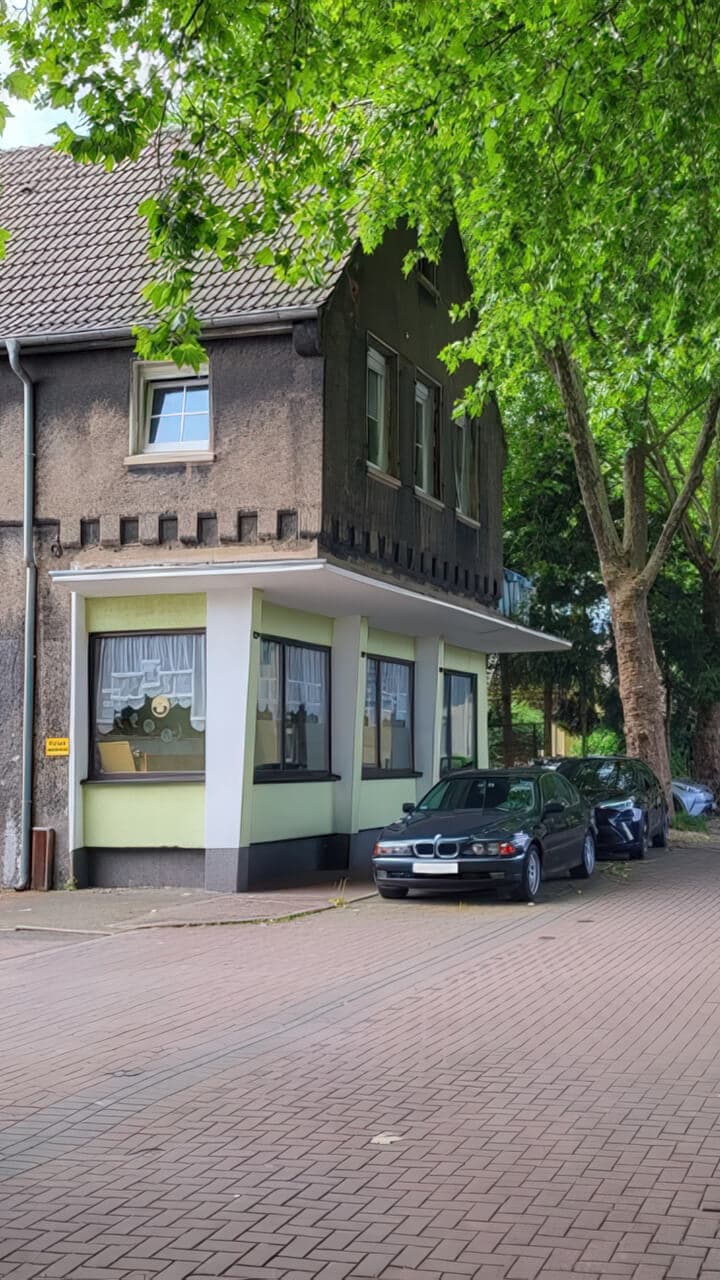
Das frühe Konzentrationslager Schönhausen befand sich in einem ehemaligen Wohlfahrtsgebäude der Zechensiedlung Bergkamen-Schönhausen. Es wurde im Frühjahr 1933 eingerichtet, kurz nach der Machtübernahme der Nationalsozialisten. In den folgenden Monaten wurden hier zwischen 900 und 1.000 Menschen festgehalten – überwiegend politische Gegner wie Kommunisten, Sozialdemokraten, Gewerkschafter sowie auch einige jüdische Bürger. Die Häftlinge kamen aus der Region und wurden durch Polizei oder SA in sogenannte „Schutzhaft“ genommen.
Das Lager diente als Durchgangs- und Sammellager. Die Unterbringung war behelfsmäßig. Es gab kaum Möbel, nur Stühle, keine Betten, keine hygienischen Einrichtungen. Die Verpflegung bestand aus trockenem Brot, dünnem Kaffee oder Brühe. Die Bedingungen waren von Gewalt geprägt. Zahlreiche Zeugenaussagen berichten von systematischen Misshandlungen: Schläge mit Gummiknüppeln und Eisenstangen, Demütigungen und stundenlange Verhöre. Mindestens ein Todesfall, Ernst Bronheim, wird mit dem Lager in Verbindung gebracht.
Die Inhaftierungsdauer reichte von wenigen Tagen bis zu mehreren Wochen. Viele wurden später in andere Lager überführt, etwa nach Brauweiler bei Köln oder in das KZ Esterwegen. Nach wenigen Monaten wurde das Lager Schönhausen aufgelöst.
Heute erinnert eine Gedenktafel an das Gebäude in der Lentstraße, das seit den 1980er-Jahren als Gemeindezentrum genutzt wird. Die Geschichte des Lagers war lange kaum bekannt. Erst in den letzten Jahren wurde sie durch lokale Initiativen und Gedenkveranstaltungen stärker in das öffentliche Bewusstsein gerückt. Eine im Jahr 2023 veröffentlichte Namensliste dokumentiert rund 1.000 Inhaftierte und gibt erstmals systematisch Auskunft über die Dimension dieses frühen Ortes der Verfolgung.
Zu den prominenten Sozialdemokraten unter den Schönhausen Häftlingen gehörten der Monopol-Betriebsrat und Vorsitzender der SPD-Stadtratsfraktion in Kamen, Valentin Schürhoff und der Chefredakteur der SPD-Zeitung „Der Hammer“, Walter Poller. Ein enger Mitarbeiter Walter Pollers in der Redaktion des „Hammers“, Hubert Biernat, konnte sich allerdings der Inhaftierung durch Flucht aus der elterlichen Wohnung, Reinhardstraße 1, in Heeren-Werve entziehen, indem sein Vater, Bergmann auf der Schachtanlage Königsborn 2, die SA-Leute täuschte.
Biernat, der nach dem Krieg Landrat des Kreises Unna, Regierungspräsident in Arnsberg, Abgeordneter des NRW-Landtags und NRW-Innenminister werden sollte, ging in den Untergrund und flüchtete übers Rheinland nach Belgien. Im Spätherbst 1933 kehrte er ins östliche Ruhrgebiet zurück und schloss sich der Widerstandsgruppe um Walter Poller an.
In der Nacht zum 1. November 1934 verhaftete die Gestapo erneut Walter Poller. Trotz brutaler Folter in der berüchtigten Dortmunder „Steinwache“ verriet er keinen seiner Mitstreiter. Am 29. Juni 1935 wurde Poller wegen „Vorbereitung zum Hochverrat“ zu einer Zuchthausstrafe von vier Jahren verurteilt. Die verbrachte er in Gefängnissen in Münster, Neusustrum, Börgermoor, Plötzensee, Oslebshausen, Celle und dem Moorlager Lührsbockel in der Lüneburger Heide. Danach wurde er erneut verhaftet und über Celle und Dortmund ins KZ Buchenwald gebracht. Seine Erinnerungen fasste Walter Poller in dem Buch „Arztschreiber in Buchenwald“ zusammen.
1940 wurde er aus dem KZ entlassen. Nach dem Krieg wurde Poller erster Chefredakteur der „Westfälischen Rundschau“. Am 20. Oktober 1933 teilte der neue Unnaer Landrat Dr. Heinrich Klosterkemper der Lagerverwaltung mit, dass auf Anordnung des preußischen Innenministers die kleineren Lager, also auch das Konzentrationslager Schönhausen, aufzulösen seien. Dieser Anordnung kam man am 24. Oktober 1933 nach. Dieletzten Häftlinge wurden entweder entlassen oder in die Emslandlager und das KZ Oranienburg verlegt.